Brainspotting: A Different Way to Approach Healing
If you’ve never heard of Brainspotting, you’re not alone. Brainspotting is a relatively new brain–body therapy built on a simple premise: where you look affects how you feel.
Many people encounter Brainspotting for the first time when they feel stuck, overwhelmed, or disconnected in ways that are difficult to explain. You may have tried traditional talk therapy, perhaps for years, yet still find yourself burdened by unwanted thoughts, automatic reactions, or emotional patterns that interfere with the life you want to live. If you’re looking for a different way forward, Brainspotting may be worth exploring.
What Is Brainspotting?
Brainspotting is a therapeutic approach that helps access and process experiences stored deep within the brain and nervous system. It is often used when stress, anxiety, trauma, or emotional patterns feel difficult to shift through talking alone (Brainspotting Institute, n.d.).
Rather than relying primarily on discussion or analysis, Brainspotting works by paying close attention to the body’s responses and the brain’s natural ability to process and heal. You may have noticed moments when you become lost in thought and unintentionally stare at a wall or a spot on the floor. This “looking at nothing” is a natural mechanism the brain uses to reduce external input and enhance attention to the internal experience (Salvi & Bowden, 2016).
Brainspotting therapy intentionally works with this process. By identifying specific points in the visual field that are connected to emotional activation, the brain is given an opportunity to access experiences that may be held outside of conscious awareness. Instead of judging, interpreting, or trying to change what arises, the process allows what is already present in the nervous system to resolve at its own pace.
Who Is Brainspotting For?
Brainspotting can be helpful for people who:
Feel emotionally “stuck” despite understanding their patterns
Experience anxiety, overwhelm, or chronic stress
Have a history of trauma or emotionally intense experiences
Struggle with emotional reactivity or regulation
Feel disconnected from their emotions or body
Have difficulty putting their experience into words
It can be especially supportive for individuals who function well outwardly but feel internally strained or fatigued. Brainspotting does not require reliving or verbally recounting painful experiences, which many people find to be a more contained and approachable process.
How Does Brainspotting Work?
The connection between where we look and how we feel is rooted in how the brain processes information. Emotionally intense experiences are not stored only as memories or thoughts; they are also stored in the nervous system as sensations, emotions, and physiological responses.
Vision is closely connected to brain regions involved in emotion, memory, and the stress response. Because of this connection, eye position can influence which neural networks become activated. Brainspotting proposes that when the eyes rest in certain positions, they may access pathways associated with stored emotional or physiological experiences.
One way to think about Brainspotting is like a computer running background programs you can’t see. Even when everything appears to be working fine, these hidden processes can quietly use up energy, slow things down, or cause disruptions. You may not be aware of them, but you feel their effects.
Identifying a brainspot is similar to opening the task manager and bringing one of those background programs into focus. Once it’s accessible, the system can process it, reorganize resources, and restore balance. In the same way, Brainspotting allows the brain to access and process experiences that have been operating beneath awareness.
Rather than forcing insight or trying to “fix” anything, Brainspotting creates the conditions for the nervous system to do what it already knows how to do: process, integrate, and regulate. Over time, this often leads to greater clarity and emotional steadiness.
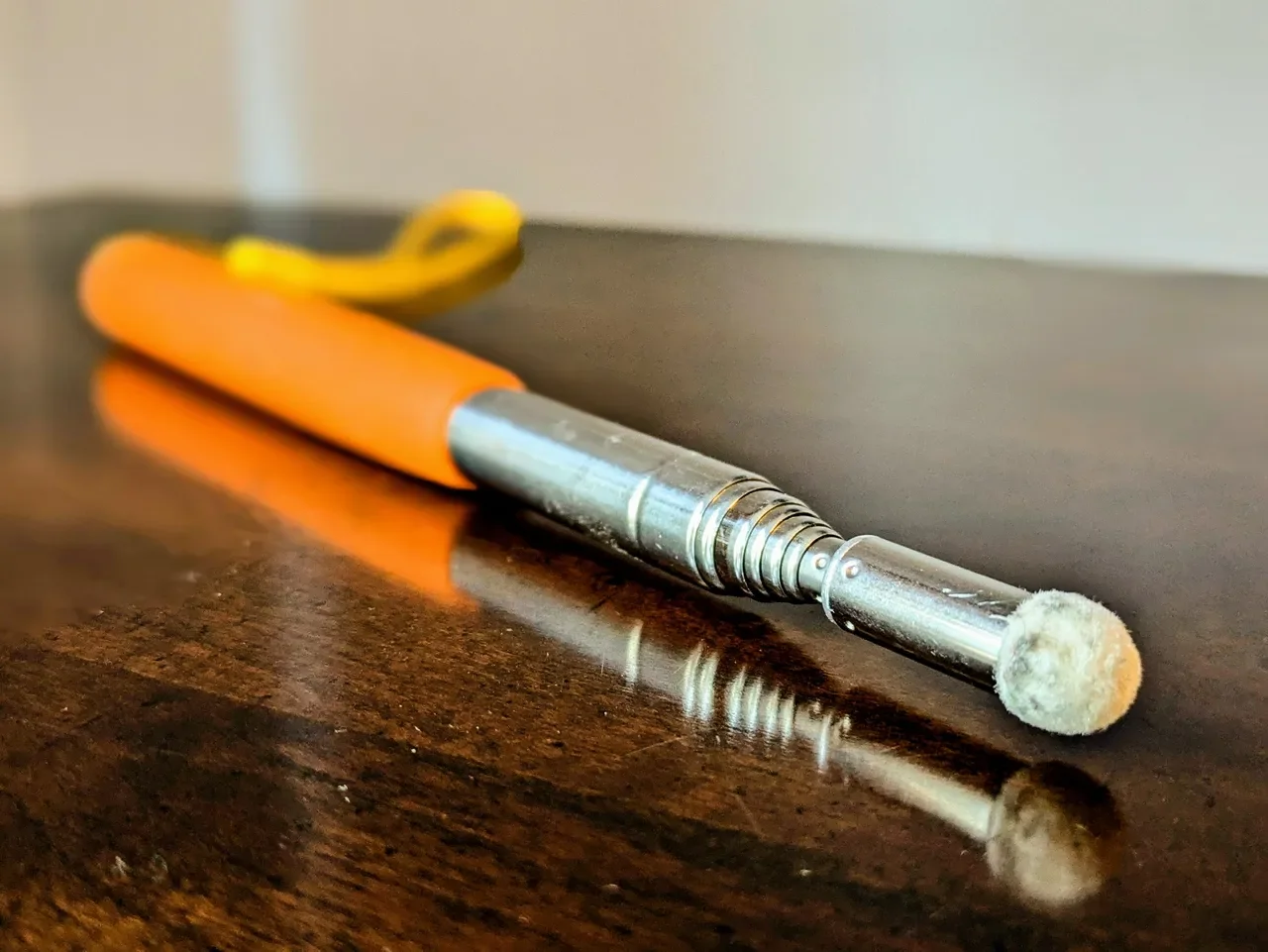
What Does a Brainspotting Session Look Like?
A Brainspotting session is typically calm, focused, and slower paced than traditional talk therapy. While there may be some conversation, much of the work involves paying attention to your internal experience rather than analyzing or problem-solving.
We usually begin by identifying something you’d like to work on. This might be a specific stressor, emotional reaction, physical sensation, or a general sense of feeling overwhelmed or stuck. From there, we notice how that experience shows up in your body and emotions.
Using your visual field, we then identify a point where your eyes naturally settle and where your internal experience feels most activated. This becomes the focus of the session. You’re invited to gently hold your gaze there while noticing whatever arises without needing to direct or explain the process. You may notice different sensations, emotions, thoughts, or images.
My role is to remain attuned and supportive throughout the session, helping regulate pacing, offering grounding when needed, and supporting the process as it unfolds. You remain aware, present, and in control the entire time. There is no pressure to relive memories or talk through details unless you choose to.
Some people notice shifts during a session, such as a release of tension, emotional clarity, or a sense of calm. Others notice changes gradually over time, including reduced reactivity, increased steadiness, or feeling less overwhelmed by experiences that once felt intense. Both are common. Brainspotting sessions are often described as contained and surprisingly gentle, allowing the nervous system to process at its own pace rather than being pushed toward resolution.
Interested in an Extended Brainspotting Session?
An Extended Brainspotting Session can be a meaningful complement to ongoing therapy or a standalone experience during a particular moment of need. This format allows change to unfold from within and often supports greater clarity, emotional regulation, and a deeper sense of integration over time.
Each extended session is thoughtfully structured to balance depth and nervous system regulation. Before scheduling, we begin with a consultation to discuss your concerns, clarify your intentions, and determine whether an extended session is the right fit. This conversation helps ensure the work is paced appropriately and aligned with what you are hoping to explore.
During an Extended Brainspotting Session, we begin with preparation and orientation, move into guided Brainspotting work, and allow time at the end for grounding and integration. The three-hour, in-person session is guided by your pace, with breaks and support offered as needed so the process feels contained, supported, and manageable.
Because of the depth and structure involved during these sessions, Extended Brainspotting Sessions are offered on a limited basis. If you’re curious about whether an extended session might be a good fit, I invite you to schedule a consultation with True Vitae Psychology to learn more and explore next steps.
References
Salvi, C., & Bowden, E. M. (2016). Looking for creativity: Where do we look when we look for new ideas? Frontiers in Psychology, 7, Article 161. https://doi.org/10.3389/fpsyg.2016.00161
Brainspotting Institute. (n.d.). What is Brainspotting? https://brainspotting.com/about-brainspotting/what-is-brainspotting/
